
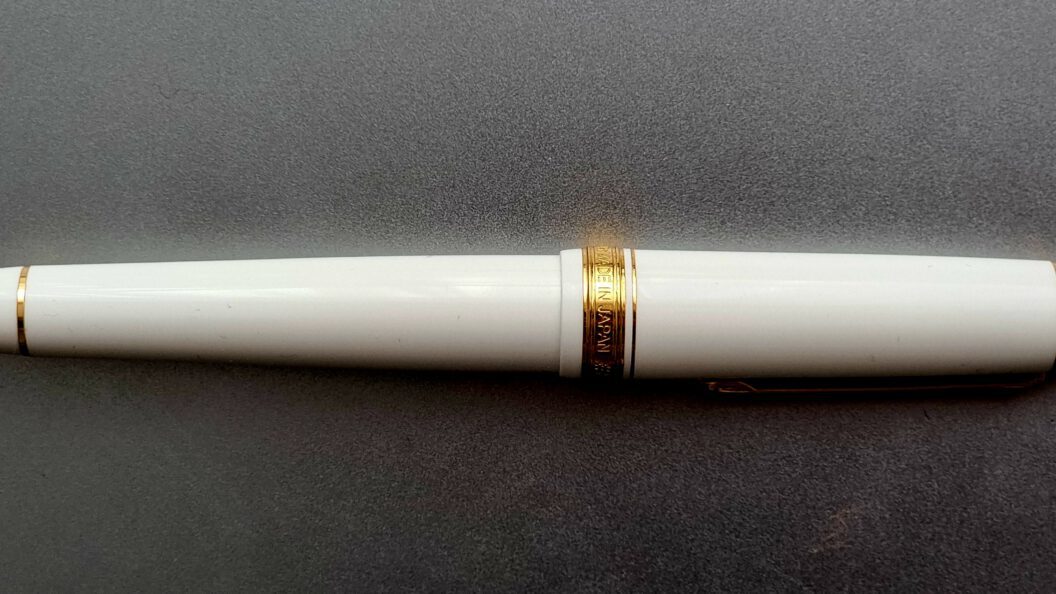
TL;DR: I happen to like Platinum #3776 Century pens. And I happen to like needlepoint nibs. So trying out this Chenonceau White with 14k-gold UEF nib fits. With its balanced shape, open nib, large grip, and classy details, this pen is a classic.
Other pens in this series:
- Platinum #3776 Century in Chartres Blue, GT, with 14k-gold SF nib.
- Platinum #3776 Century in Chenonceau White, GT, with 14k-gold UEF nib. (this pen)
- Platinum #3776 Century in Chartres Blue, CT, with 14k-gold B nib. (upcoming)
Overall: This is a well-designed, well-engineered, well-manufactured pen, with a fantastic needlepoint nib.
Technical detail: Platinum #3776 Century in Chenonceau White, GT, with 14k-gold UEF nib. Model id: PNB-15000 #2-9 UEF, sold at ¥15,000 MSRP. (There are several models very similar to this one, with the line including models PNB-13000 and PNB-15000 at the moment. This pen is the latter.)
The rated length is 139.5 mm (5.492″); the rated max diameter is 15.4 mm (0.606″). The weight is 20.5 g (0.723 oz), so a light pen because of its AS resin material.
The Platinum #3776 line was introduced in 1978, as “the Ideal fountain pen”, emphasizing the ambition Platinum had for it. The number, 3776, is the height of Mt. Fuji (in meters); tongue-in-cheek, naming this line after the tallest peak in Japan is surely not aimed as a reminder of Montblanc’s famous 4810 line/nib imprint. The Century sub-line started in 2011, adding an interior plastic mask, the “Slip and Seal”, that seals the nib and prevents its drying out; the launch coincided with the launch of the Platinum Carbon Black ink, a permanent ink you would not like to dry out inside your pen or your feed and nib-slit could get permanently clogged. In 2012, the 3776C fountain pen in demonstrator Burgundy wins the Japan Stationery of the Year Award, emphasizing the status of 377C as iconic pens. The Chenonceau White model was released in 2018 (says Goldspot).
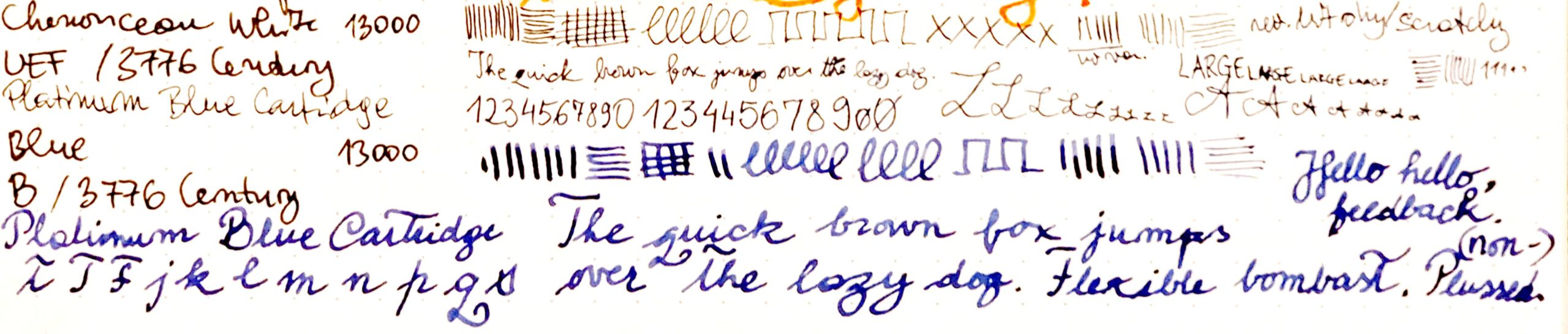
How does it write? (Figure 1, UEF nib at the top)
Writing is crisp, legible even with very small letters. The ink dries fast, making it perfect for labels and fine detail in drawings.
It also writes well in reverse, grip so the feed points upwards.
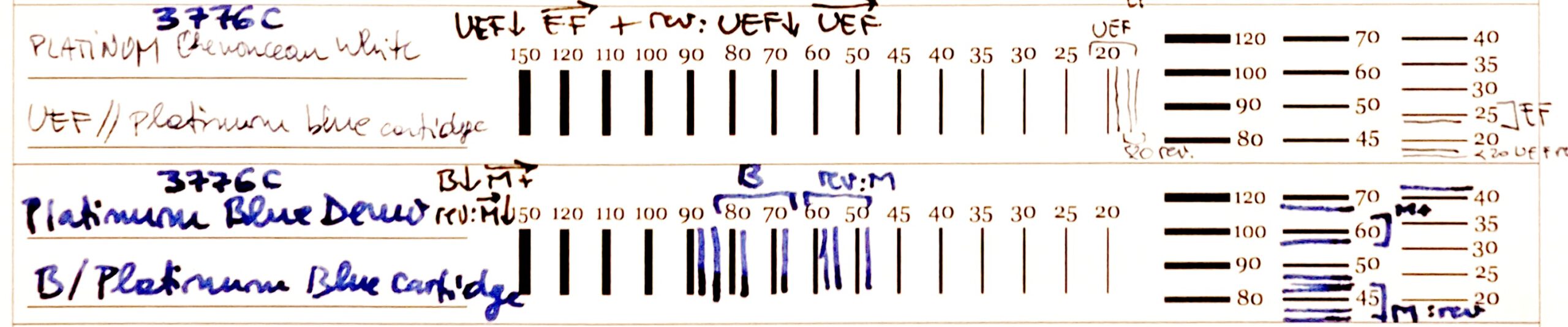
What is the stroke width? (Figure 2, UEF nib at the top)
A surprisingly thin nib, writing perfectly (and thinly) out of the box. No additional nibmeister required.
The reverse is even thinner, XXX(X)F.
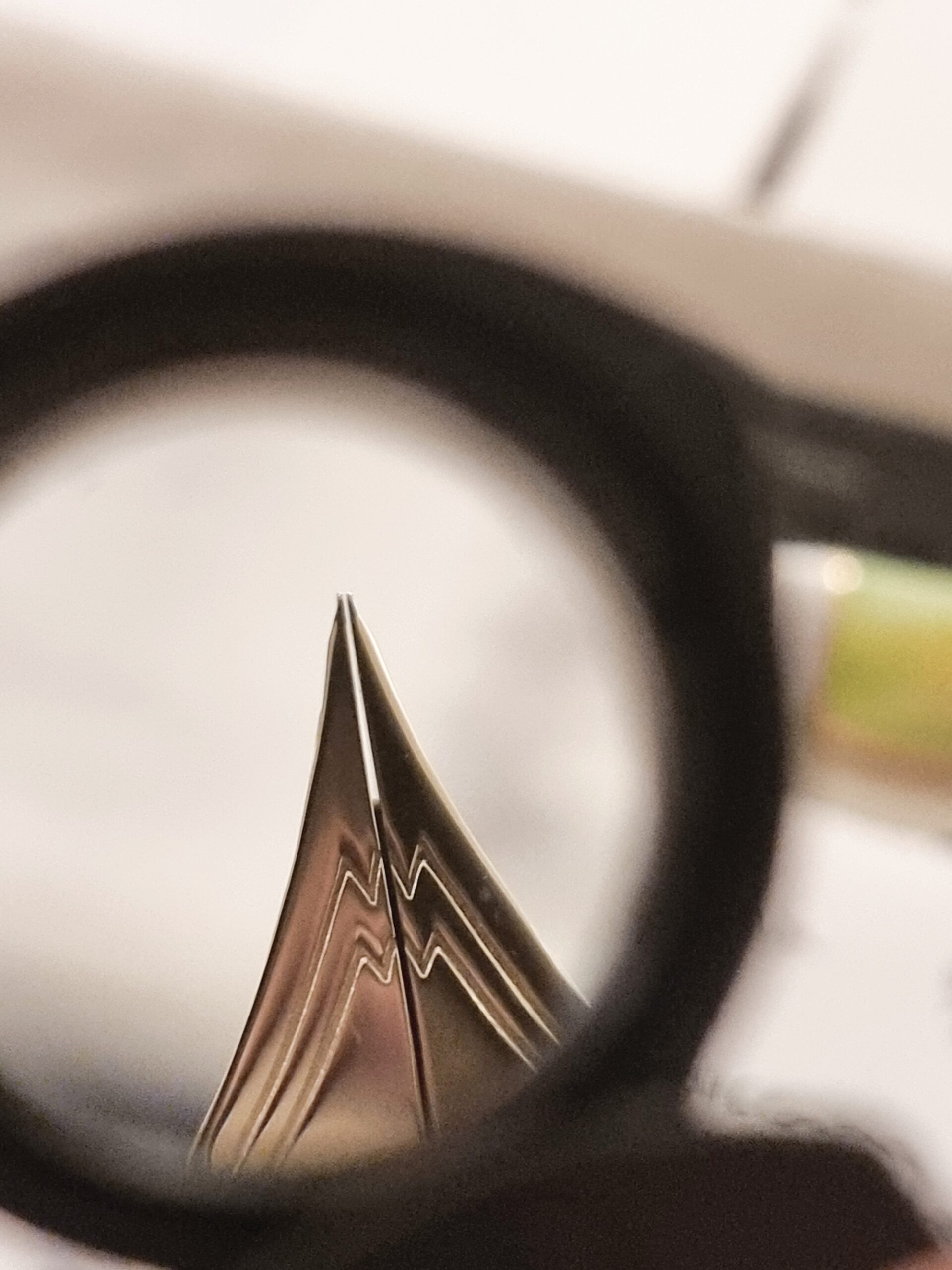
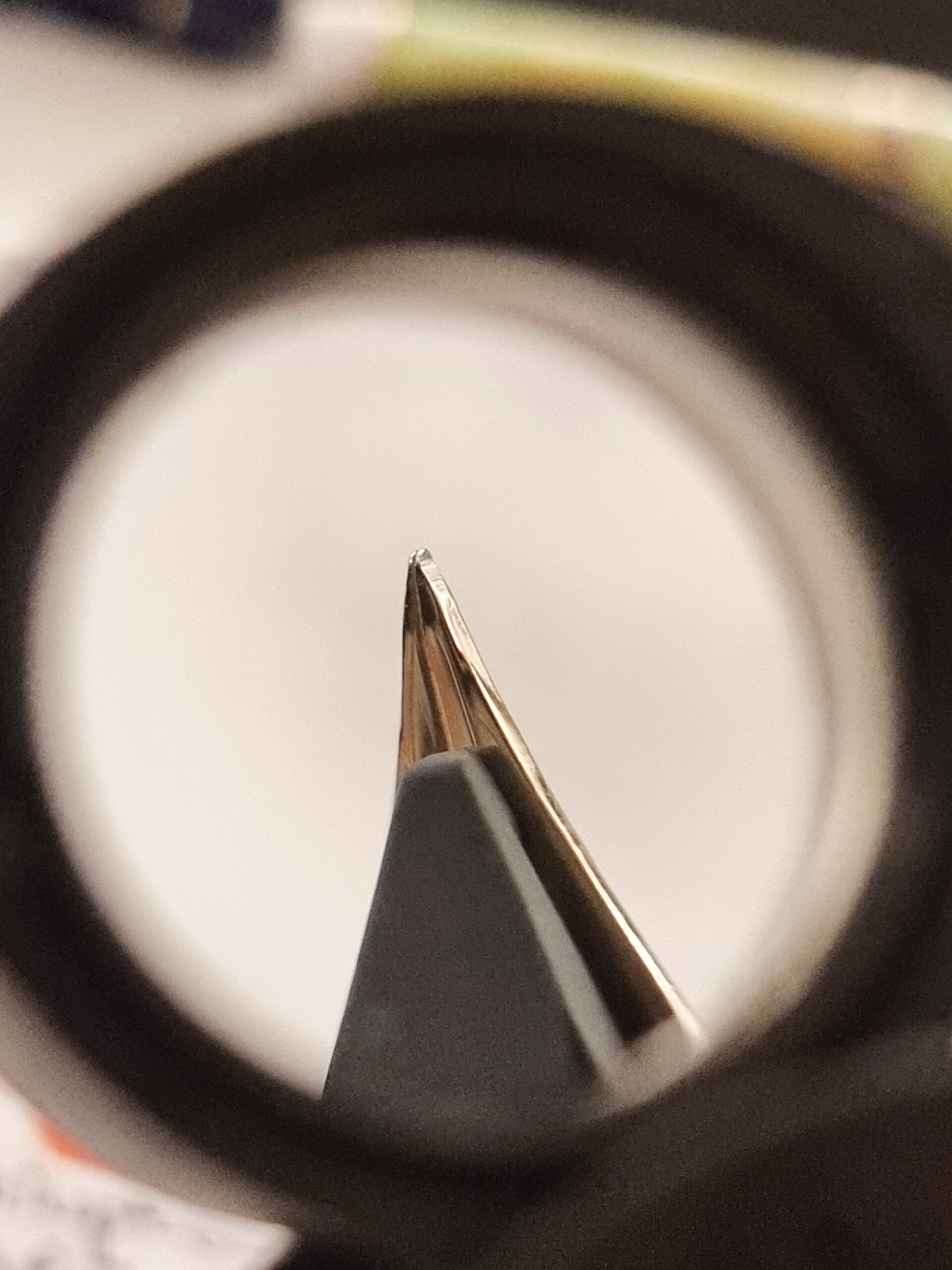
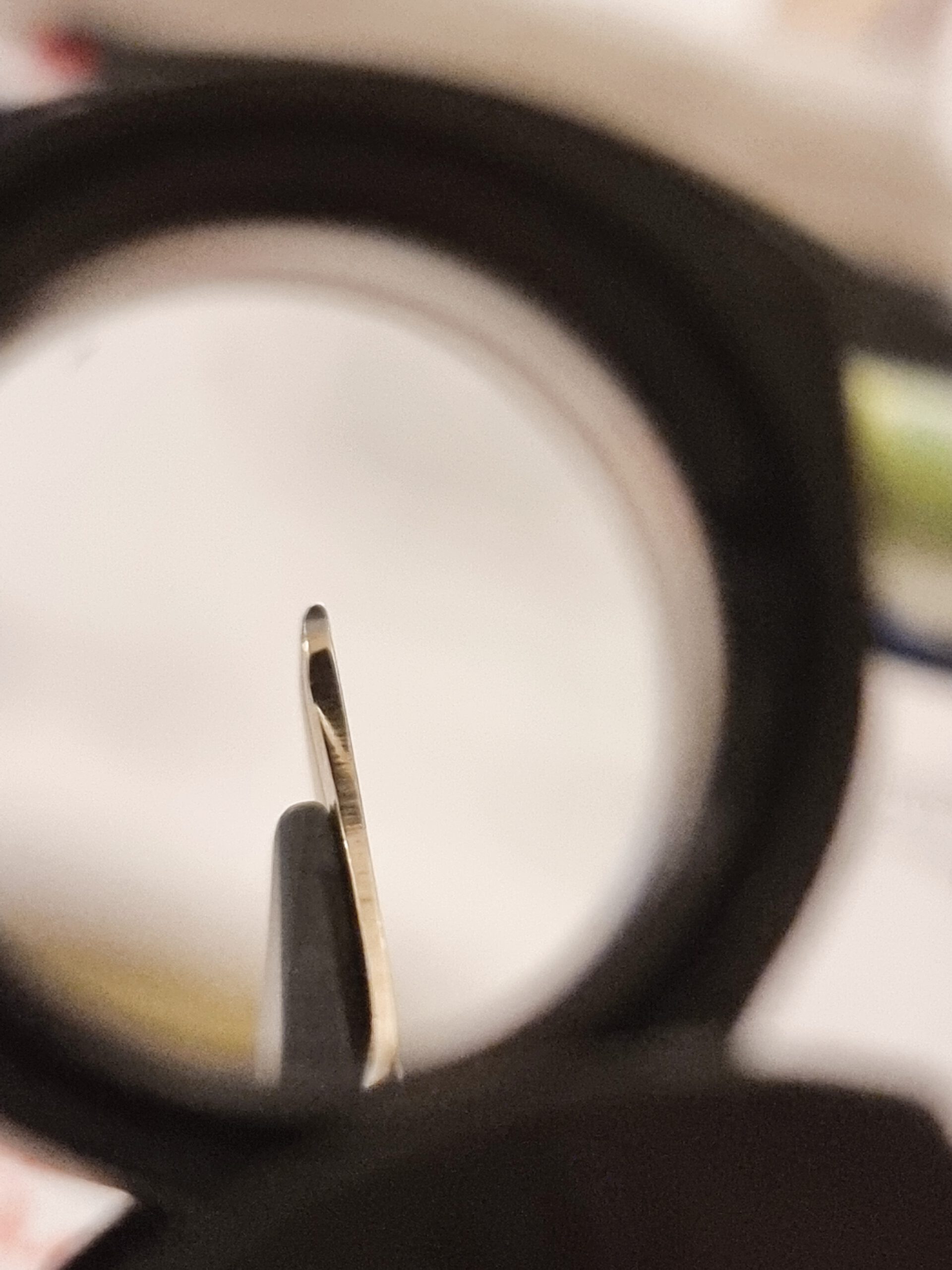
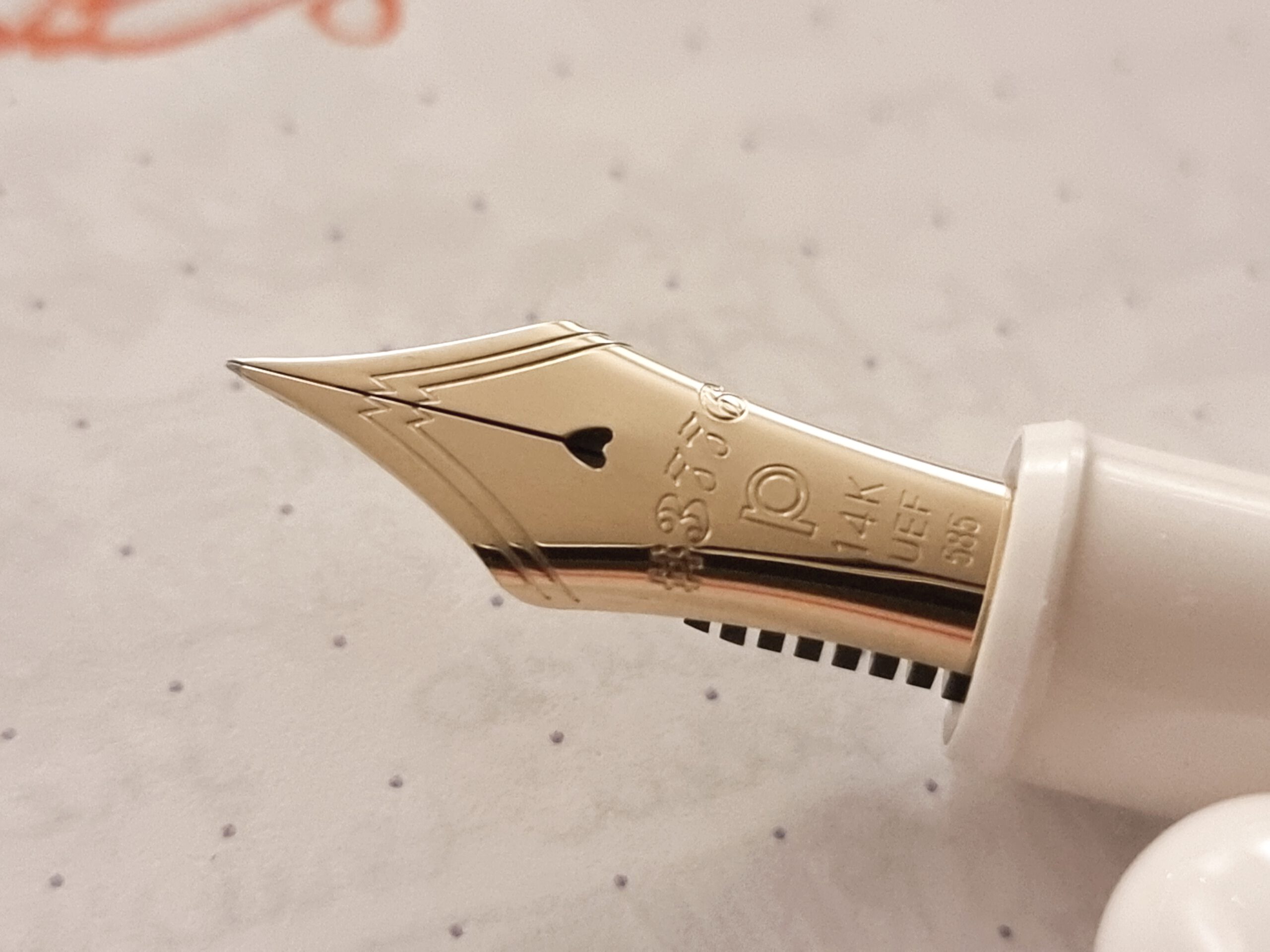
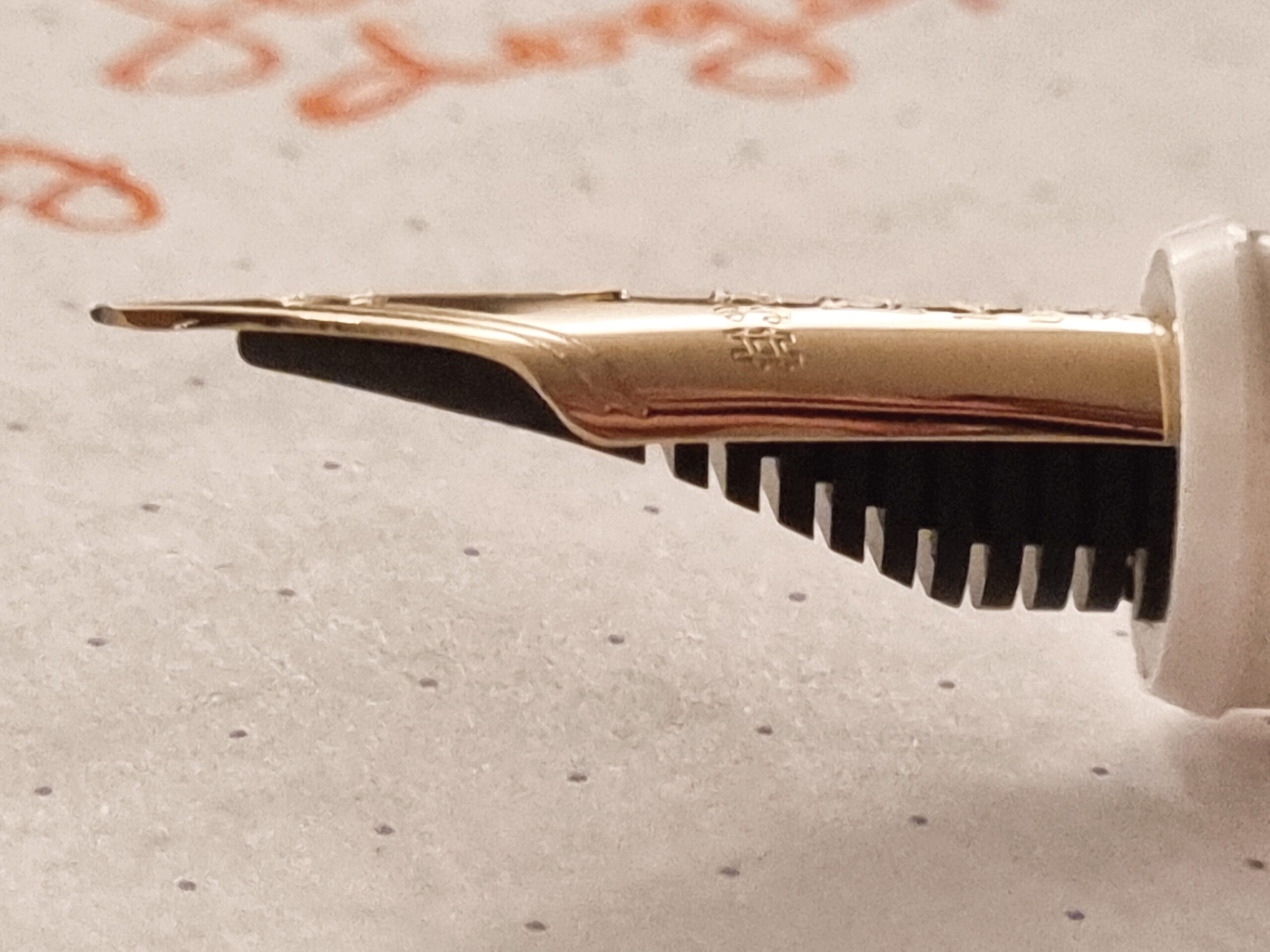
What’s the nib like? (Figures 3a, 3b, and 3c)
It’s a typical open nib from Platinum, with the tip ground to a thin layer of hard material.
What’s outstanding is its thinness. However, with use it will wear, converting into an F, possibly stub nib.
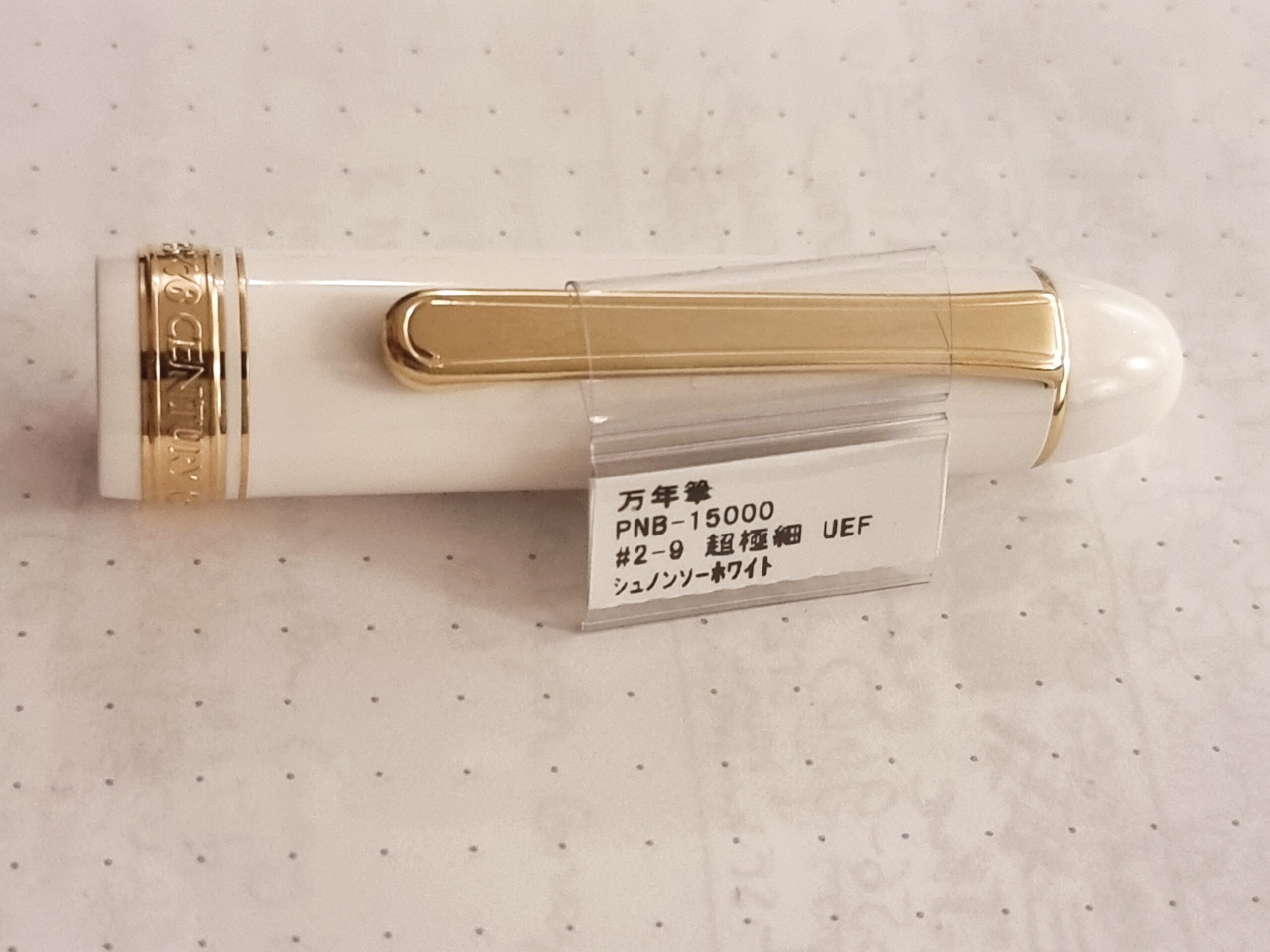
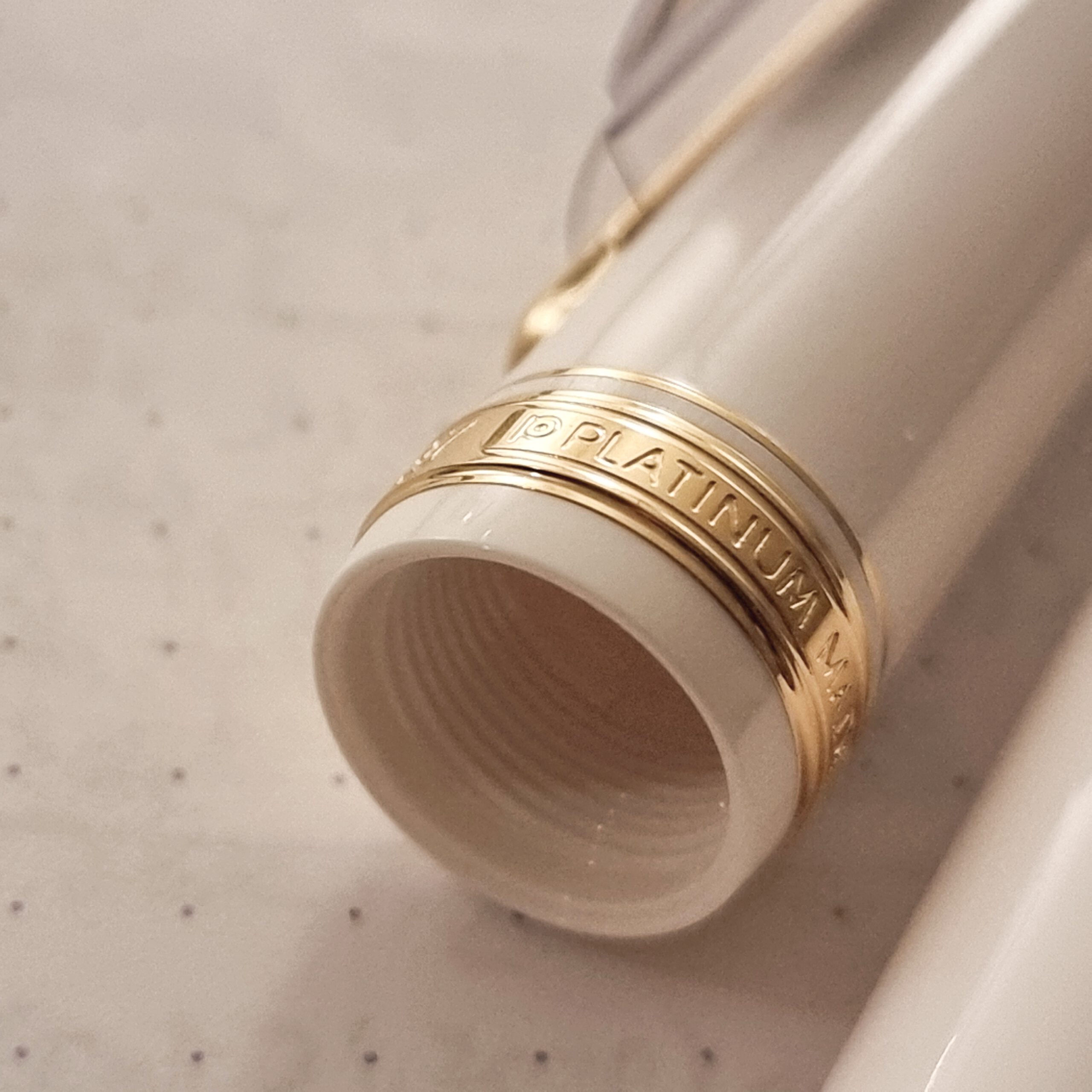
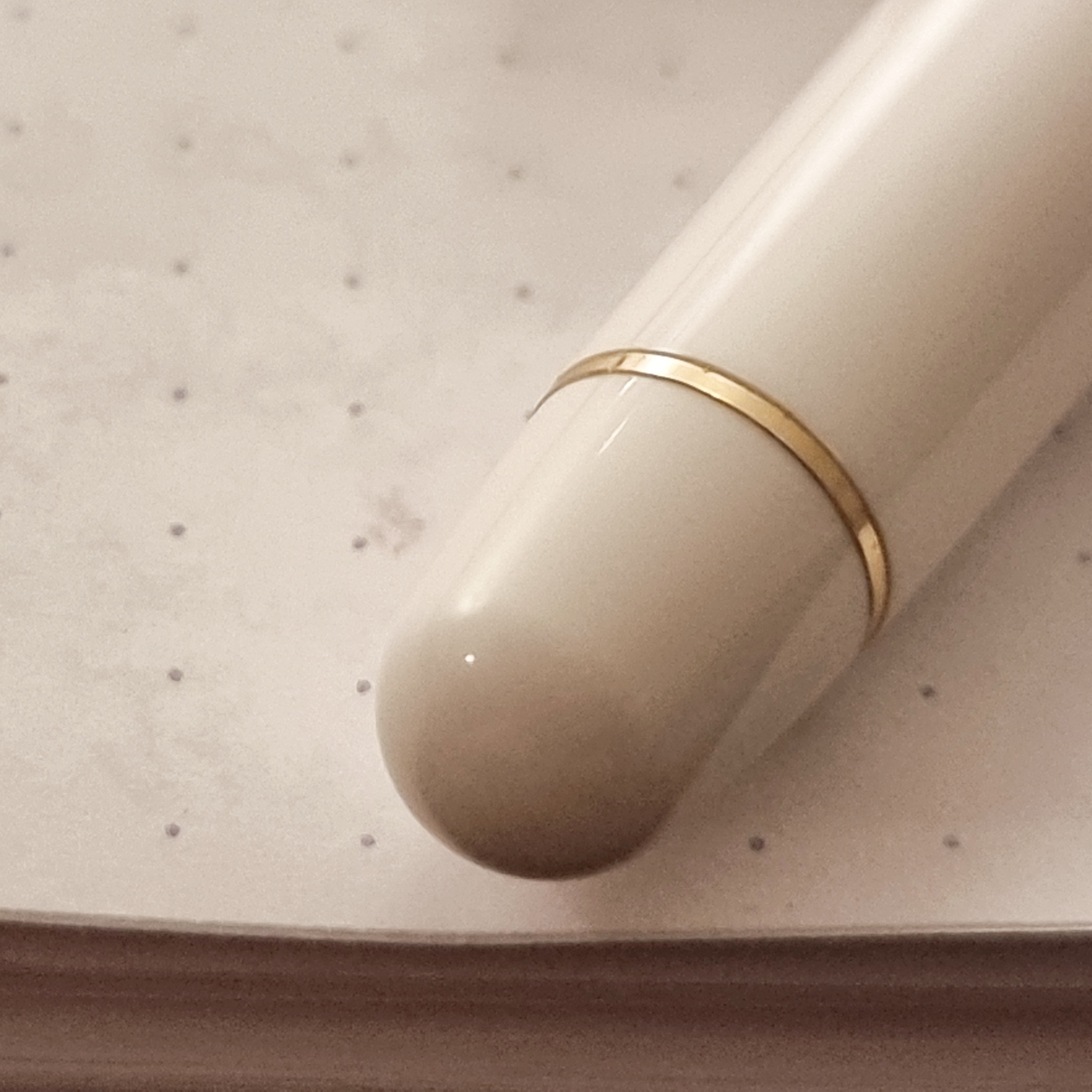
And what about that design, engineering, and manufacturing detail? (Figures 4a-4e)
In short, everything looks and works as it should. I used this pen for nearly a year and it remains my go-to pens when I work on describing and labeling pens in my own catalog.
Because the body is well-balanced, I can use the pen unposted or posted. When the pen is unposted, I can move freely my grip to try higher- or lower-precision details when drawing.
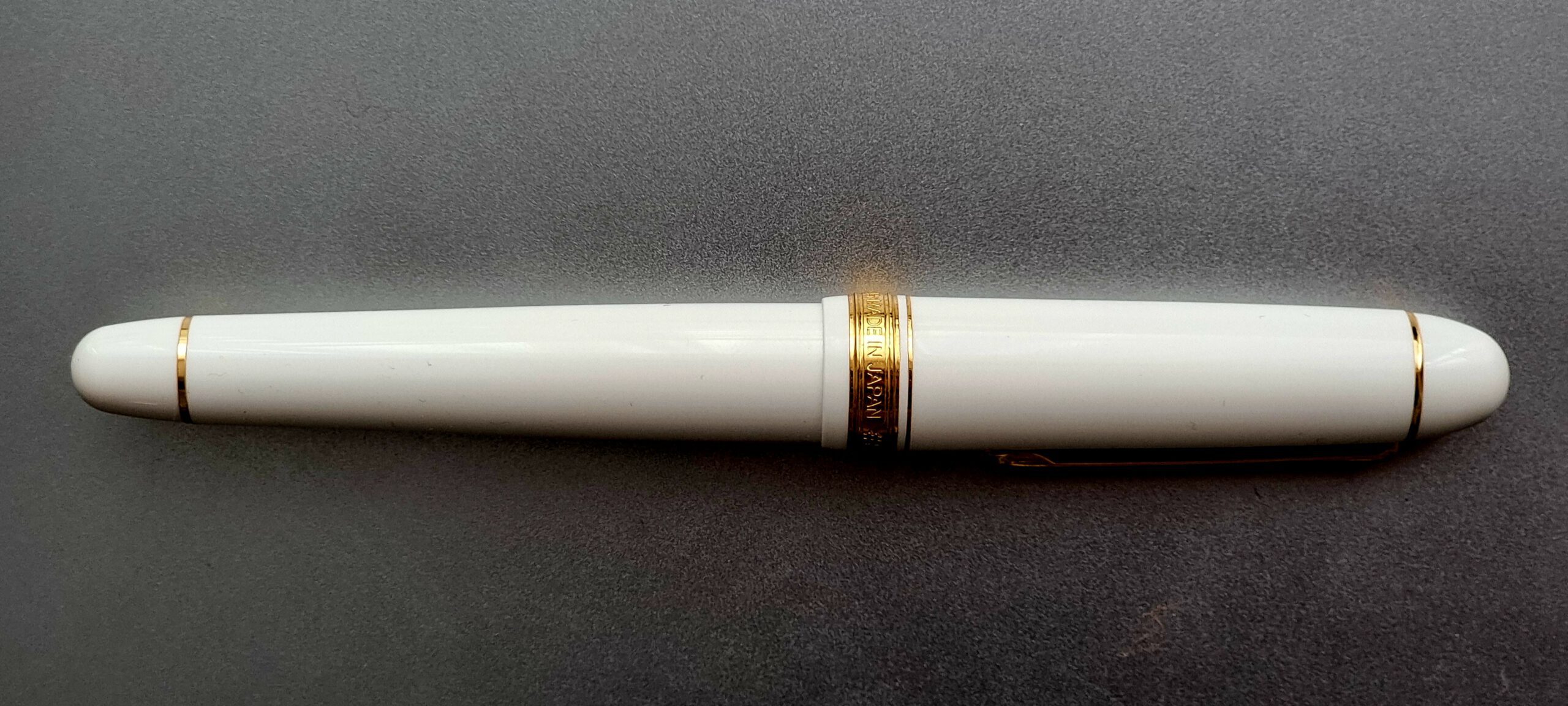
Let’s end where we started (Figure 5):
Conclusion: Excellent pen, classy, with a needlepoint nib that works out of the box!
Enjoy the day!
